Dromedaries and Nomadic Life in Morocco
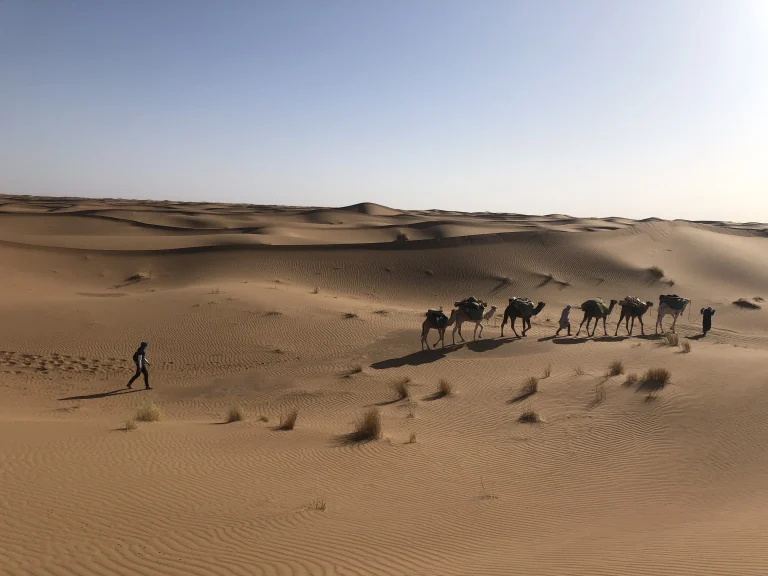
In the vast expanses of the Moroccan Sahara, life moves at the rhythm of the wind and the footsteps of the dromedary. For centuries, these remarkable animals have been far more than just a means of transport for nomadic tribes—they have been the true lifeline of the desert. Often affectionately called the “ships of the desert,” dromedaries possess unique biological traits that allow them to thrive in extreme temperatures and arid landscapes where other animals simply cannot survive.
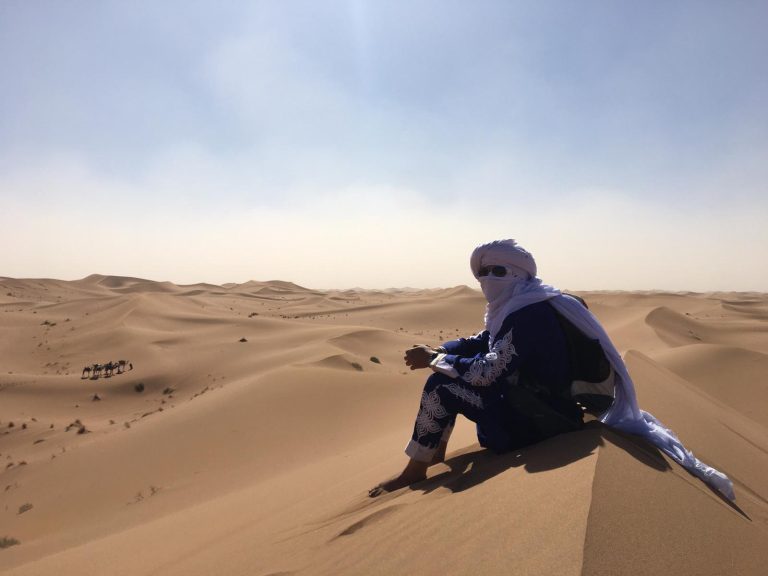
For travelers exploring destinations like Merzouga or heading deep into the dunes, encountering a caravan is like stepping back in time. It offers a rare glimpse into a traditional way of living that has successfully adapted to one of the harshest environments on Earth.
The Nomadic Lifestyle in Harmony with the Sahara
Nomadic communities, such as the Amazigh (Berber) and Sahrawi tribes, have mastered the art of living with scarce resources. Moving from one seasonal pasture to another, their entire existence revolves around their livestock—primarily goats, sheep, and, most importantly, dromedaries. The dromedary provides milk for nourishment, wool for weaving traditional tents and blankets, and vital transport for shifting camp.
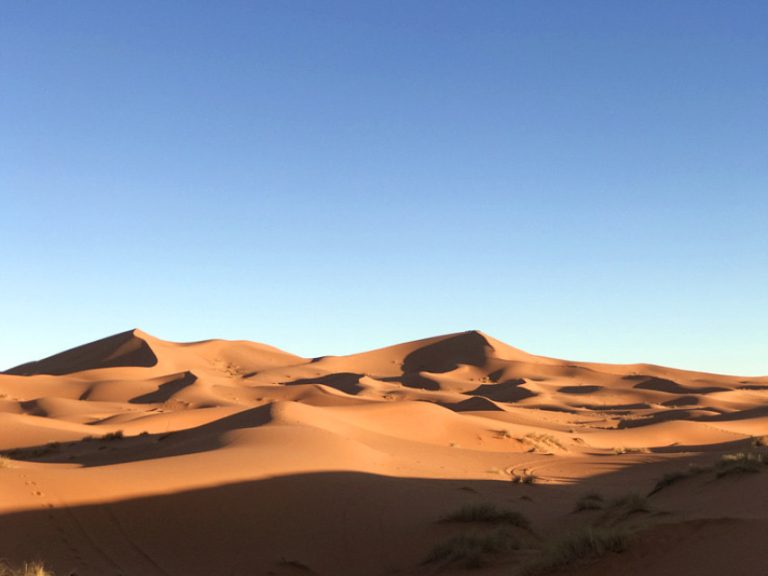
Life under the vast canvas of the desert sky teaches profound resilience and hospitality. When travelers join a trek across the golden sands—whether traversing the majestic Erg Chegaga or the towering heights of Merzouga—they are welcomed into this culture with mint tea, traditional music around the campfire, and stories passed down through generations.
Experiencing the Desert with a Caravan
Riding a dromedary across the silent dunes at sunset is an unforgettable experience. As the shifting light paints the sand in deep shades of orange and copper, the gentle sway of the animal mirrors the quiet, peaceful majesty of the Sahara. It allows modern travelers to disconnect from the noise of the digital world and connect deeply with nature.
Preserving an Ancient Heritage
Today, while many nomadic families have transitioned to settled village life, their deep respect for the desert and the dromedary remains unchanged. Participating in a guided desert trek not only offers an authentic adventure but also helps support local families who keep these invaluable traditions alive.